

The Allure of Risk and Reward
The thrill of gambling lies primarily in the potential for reward, which can often overshadow the risks involved. Players are often drawn to the excitement of winning big, and this anticipation triggers a rush of dopamine, the neurotransmitter associated with pleasure and reward. This biochemical reaction can make the experience of gambling exhilarating, causing players to overlook the odds and the potential for loss. If you’re interested in understanding this phenomenon better, you can find out more here about the psychology behind casino gaming.
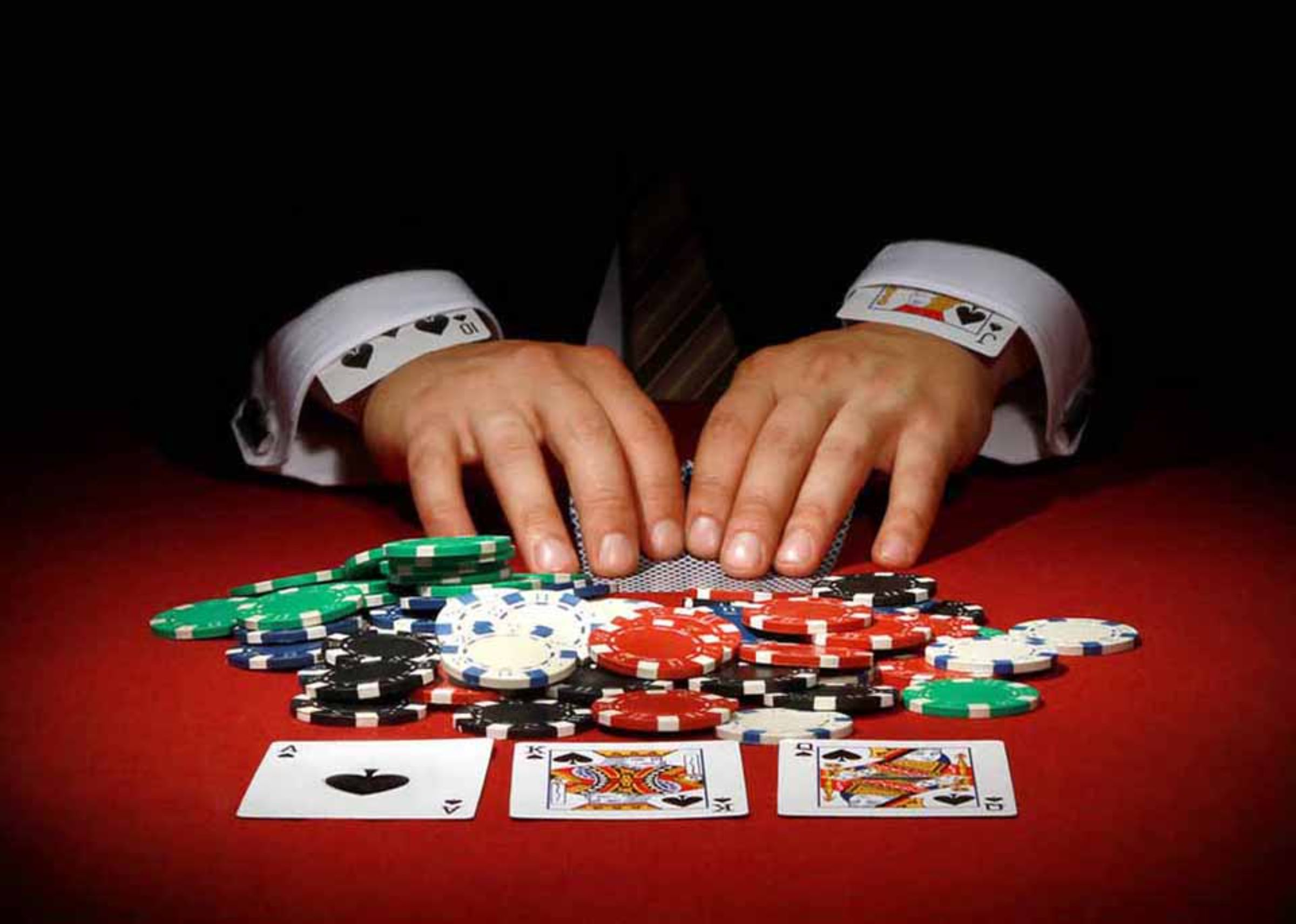
Furthermore, the immediate feedback provided by casino games, such as slot machines or card games, amplifies this feeling. When players experience a win, no matter how small, it reinforces their behavior and encourages them to continue playing. This cycle creates a powerful motivator that can lead to increased risk-taking behavior, as the desire for more significant wins overrides caution.
The Psychological Impact of Loss Aversion
Psychologists have identified loss aversion as a critical factor in gambling behavior. This principle suggests that the pain of losing is psychologically more impactful than the pleasure of winning. Consequently, many players may continue to gamble in an attempt to reclaim their losses, believing that a win is just around the corner. This phenomenon leads to a cycle of chasing losses, which can escalate the risks they take.
Players often rationalize their gambling as a strategy to recover losses, reinforcing their commitment to risk. The fear of losing can create a sense of urgency, pushing individuals to stake larger amounts or engage in riskier bets. This psychological drive often clouds their judgment, making it difficult for them to recognize when to stop.
The Role of Social Influences
Social settings play a pivotal role in gambling behavior. Many individuals are influenced by the presence of others in a casino environment, where excitement and camaraderie can lead to increased risk-taking. The communal atmosphere can amplify the enjoyment and thrill of gambling, as players share in the highs and lows of the game.
In addition, peer pressure can be a significant factor. Players may feel compelled to gamble more or take bigger risks to fit in with their friends or to impress others. This social dynamic can create a competitive spirit that drives participants to take unnecessary risks, further complicating their decision-making process.
The Impact of Addiction and Compulsion
Casino gambling can easily lead to addictive behaviors, driven by psychological factors such as the quest for thrill and the excitement of risk. For some individuals, gambling becomes a compulsive behavior that significantly impacts their lives, leading to harmful consequences. The desire to escape from everyday stressors can push these individuals to gamble as a way of coping, often leading to a detrimental cycle of addiction.
Recognizing the signs of gambling addiction is crucial for both individuals and their loved ones. Those at risk may find themselves increasingly drawn to casinos, continually seeking the rush that comes with high-stakes betting. This can inhibit their ability to make rational choices, ultimately resulting in financial and emotional consequences that can be challenging to overcome.

Understanding Casino Culture and Its Psychological Appeal
The environment of a casino is meticulously designed to enhance the gambling experience, further immersing players in a psychological trap. Bright lights, captivating sounds, and the thrill of nearby winners create an ambiance that is hard to resist. This carefully crafted atmosphere is meant to stimulate players’ senses, making them more likely to engage in prolonged gambling sessions.
Moreover, casinos often employ strategies that promote a sense of community, encouraging players to return. The notion of being part of a larger social experience can foster a psychological attachment to the venue, making it more challenging for individuals to recognize the risks involved. As players seek the thrill of the casino, they may overlook the inherent dangers of excessive risk-taking.


