
Understanding game design mechanics in modern gambling environments
Core Concepts of Game Design in Gambling
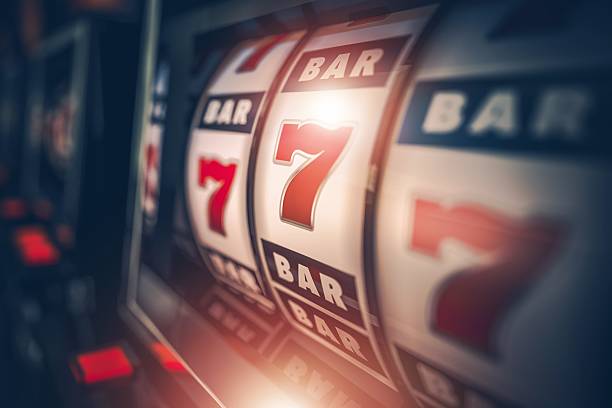
Game design mechanics in gambling are integral to creating an engaging experience for players. These mechanics influence the way players interact with games, affecting their decisions and emotional responses. Essential components include the balance between risk and reward, which keeps players invested. For example, slot machines often utilize random number generators to determine outcomes, maintaining a level of unpredictability that heightens excitement while ensuring fairness. In this engaging realm, Aviamasters 2 Bgaming stands out as a thrilling example of modern gameplay innovation.

Another fundamental aspect is the concept of feedback mechanisms. These can range from visual cues, such as flashing lights and celebratory sounds, to tangible rewards like bonus rounds or free spins. Positive reinforcement through rewarding gameplay encourages players to continue engaging with the game, creating a cycle of excitement and anticipation. The psychological impact of these mechanisms is significant, as they can lead to longer play sessions and greater player satisfaction.
Moreover, the aesthetics of game design—graphics, themes, and user interface—also play a vital role in attracting and retaining players. A well-designed game will offer an immersive experience that resonates with the target audience. For instance, a game featuring a popular cultural theme can draw in fans, enhancing their emotional connection to the gameplay. Thus, understanding these core concepts is essential for developing successful gambling experiences.
The Role of Technology in Modern Gambling
Advancements in technology have transformed modern gambling environments, making them more interactive and accessible. The integration of mobile devices allows players to engage with games from virtually anywhere, which has revolutionized the industry. Mobile applications now offer various games that were once only available in physical casinos, extending the reach of gambling to a broader audience.
Virtual and augmented reality (VR and AR) technologies are further enhancing the player experience by providing immersive environments that simulate the ambiance of traditional casinos. These technologies not only attract new players but also provide existing players with novel experiences, increasing their loyalty. For instance, VR casinos allow users to interact with other players and dealers in a virtual space, thereby making the gambling experience more social.
Additionally, data analytics plays a crucial role in understanding player behavior. Casinos can collect data on player preferences and habits, allowing them to tailor marketing efforts and game offerings to meet specific needs. This personalization increases player satisfaction and retention, ultimately benefiting both players and operators in the long run.
Balancing Entertainment and Responsible Gambling
With the excitement of gambling comes the responsibility to promote safe and responsible gaming practices. Game designers are increasingly incorporating features that encourage players to remain aware of their gambling habits. For instance, many online platforms now include deposit limits, time-out periods, and self-exclusion options, enabling players to take breaks and manage their spending effectively.
Moreover, the incorporation of educational content within games can provide players with insights into their gambling behaviors. Some platforms offer tutorials or tips on responsible gambling, making it easier for players to understand the risks involved. By fostering a culture of responsible gambling, game designers can create a more sustainable gaming environment that prioritizes player well-being.
Collaboration with regulatory bodies is also essential in promoting responsible gambling. Adhering to guidelines and implementing best practices ensures that game designs are not only entertaining but also ethical. By prioritizing responsible gambling, designers can help mitigate the risks associated with addictive behavior while still providing an enjoyable gaming experience.
User Experience and Game Design Trends
User experience (UX) is paramount in modern game design. Designers focus on creating intuitive interfaces that allow players to navigate games effortlessly. A seamless user experience minimizes frustration, encouraging longer play sessions and increased engagement. This is especially vital in online gambling, where competition is fierce and players expect high-quality experiences.
Recent trends highlight the importance of gamification in gambling. Elements such as leaderboards, achievements, and challenges not only enhance engagement but also foster a sense of community among players. By incorporating social features, game designers create environments where players can share their experiences, making gambling more interactive and enjoyable.
Additionally, the trend towards microtransactions and in-game purchases has gained traction. While this model can enhance player experience by offering personalization and customization options, it also raises concerns about responsible gaming. Striking the right balance between monetization and player satisfaction is a challenge that modern game designers must navigate carefully.
Conclusion: The Future of Game Design in Gambling
The future of game design in gambling environments is poised to be dynamic and multifaceted. As technology continues to evolve, we can expect even more innovative experiences that blend traditional gaming with cutting-edge advancements. This will not only attract new players but also enhance the experience for seasoned gamblers, ultimately leading to increased satisfaction.
Moreover, the ongoing emphasis on responsible gambling will shape design principles, ensuring that entertainment does not come at the cost of player safety. As designers incorporate features that promote healthy gambling behaviors, they will contribute to a more sustainable industry that values players’ well-being.
In conclusion, understanding the intricacies of game design mechanics is essential for anyone involved in the gambling industry. By prioritizing player engagement, safety, and technological integration, the future of gambling will be more inclusive and enjoyable for all. As the landscape evolves, so too will the strategies that designers employ to create captivating and responsible gaming experiences.


Post a comment